

Appraisal Expertise
Trade-in & Valuation
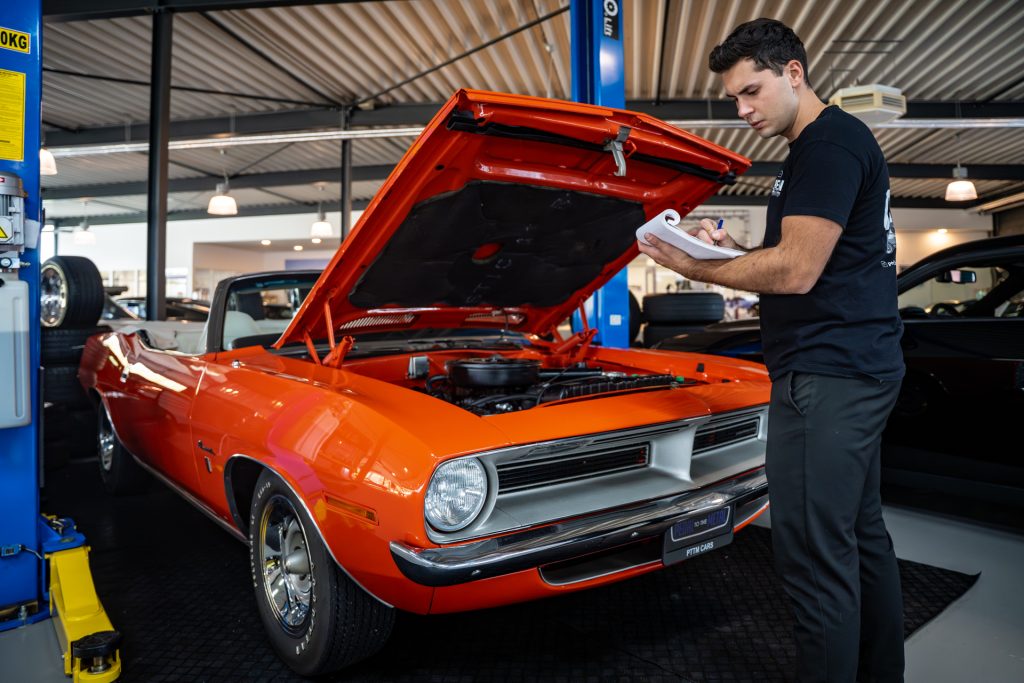
Accurate valuations based on condition, authenticity and current market context. Whether trading in or selling, we provide a considered assessment to support informed decisions.
Explore De Tomaso Panteras for sale at Pedal to the Metal. Styled by Tom Tjaarda at Ghia, the Pantera combines a steel monocoque body with a mid-mounted Ford V8 and a five-speed ZF manual gearbox. Production began in 1971, and Ford sold the car in the United States through Lincoln-Mercury dealers until 1975. Early cars used the 351 Cleveland; the 1972 Pantera L fixed many early faults, and the European GTS had a higher-compression engine. De Tomaso then carried on alone, adding the flared GT5 in 1980 and the steel-flared GT5-S in the mid-1980s, before the Gandini-restyled Pantera Si with a fuel-injected 302 V8 arrived in 1990.
If your ideal De Tomaso isn’t in our current inventory, we can help you find it. PTTM sources high-quality classic and collector cars, with worldwide delivery available.
Choose by era, specification and how original you want the car to be. The first 1971 cars, including the earliest ‘push-button’ examples with Vignale-built bodies, are closest to the original design. The 1972–1974 cars, including the Pantera L, are the Ford-era cars most commonly found in the United States.
After Ford ended imports in 1975, De Tomaso continued production for Europe and other markets, adding the European GTS, the 1980 GT5 with fibreglass wheelarch flares and the GT5-S with steel flares from the mid-1980s. The 1990–1993 Pantera Si, restyled by Marcello Gandini, is the final version, with only 41 built.
They mark the car’s main development stages. The L, or Lusso, arrived in August 1972 and fixed many early faults. US cars gained a large single front bumper. The European GTS of 1972 had 11.0:1 compression and a 350 PS rating, while the 1974 US GTS was largely an appearance package. The GT5 of 1980 added bonded fibreglass flares, the GT5-S changed to steel flares and a smaller air dam, and the Si brought new Gandini styling, a fuel-injected 302 and Brembo brakes.
Start with identity, because many earlier Panteras have been given later flares, wings and GTS details. Check that GT5, GT5-S, GTS and Si claims match the chassis number and records, and that the engine type suits the car’s year. Then inspect the steel monocoque carefully for rust and previous repairs, as early cars had little rustproofing and their bodies often carry solder from the factory. Note any updates to cooling, electrics and suspension.
On restomod and pro-touring cars, judge the quality of the components and workmanship. PTTM can share the information available on a car and discuss any further inspection.
Version, year and originality set the starting point. Early push-button cars, unmodified original examples, the European GTS, the GT5-S and the Pantera Si sit in a very different market from a modified Ford-era car. Most Panteras have been upgraded over the years, so a genuinely stock car is uncommon. Within any specification, value reflects documentation and condition, structural rust repair, factory equipment and colour.
Unrestored survivors, restored cars and professionally built restomods are each valued on different terms. Compare the whole car and its records alongside the price, and PTTM can help you define a realistic search.
Registration or title documents with a chassis number matching the car are the foundation. Original sales paperwork, service records and the owner’s manual add weight where they survive. For a Pantera, the Pantera Owners Club of America (POCA) is a useful reference, including its research into chassis numbers and the production of later versions. Restoration invoices and photographs show what has been done since. Imported cars should carry their import papers, and PTTM’s Registration Service can guide European registration.
Yes, PTTM can assess your current car and discuss a trade-in towards a De Tomaso purchase. Send us its make, model, year, mileage, photographs and available history, along with details of the car you are interested in. Trade-ins are not automatic: each proposal is considered individually, based on condition, documentation and market demand.
Possible structures include equal-value exchanges and trades with a cash adjustment on either side, agreed transparently in advance.
The Pantera combines Italian design and coachwork with American V8 power, and it was sold through Ford’s Lincoln-Mercury dealers in its early years. Around 7,260 were built over more than two decades. Later versions are rare: production analysis by POCA puts the GT5 below 197 cars and the GT5-S below 183, and only 41 Pantera Si were made. Its racing history includes 14 Group 4 cars built for 1972. Individual cars stand out through originality, documentation, rare options and condition, and a well-sorted driver can be as rewarding as a concours restoration.
It depends on how you plan to use the car. The Pantera is a low, mid-engined two-seater, and the flared GT5 and GT5-S are noticeably wider. Many cars have received cooling, electrical and suspension updates over the years. An original or factory-correct restored Pantera suits buyers who value authenticity. A restomod adds modern brakes, suspension and comfort for regular use. PTTM offers both, from factory-correct restorations to custom restomod and pro-touring builds. Tell your sales advisor how and how often you plan to drive, so we can recommend suitable cars or discuss a project.
Yes. Our Personalized Car Search service can look beyond our current inventory. Tell us your preferred version and year, whether original or modified, and colour, condition and budget.
We identify suitable cars and help assess their condition, history and authenticity. Early push-button cars, unmodified originals, European GTS models, the GT5-S and the Pantera Si can take longer to find, and we will give you an honest expectation of timing. Search terms are agreed before we begin, and you are never obliged to proceed with a car we present.
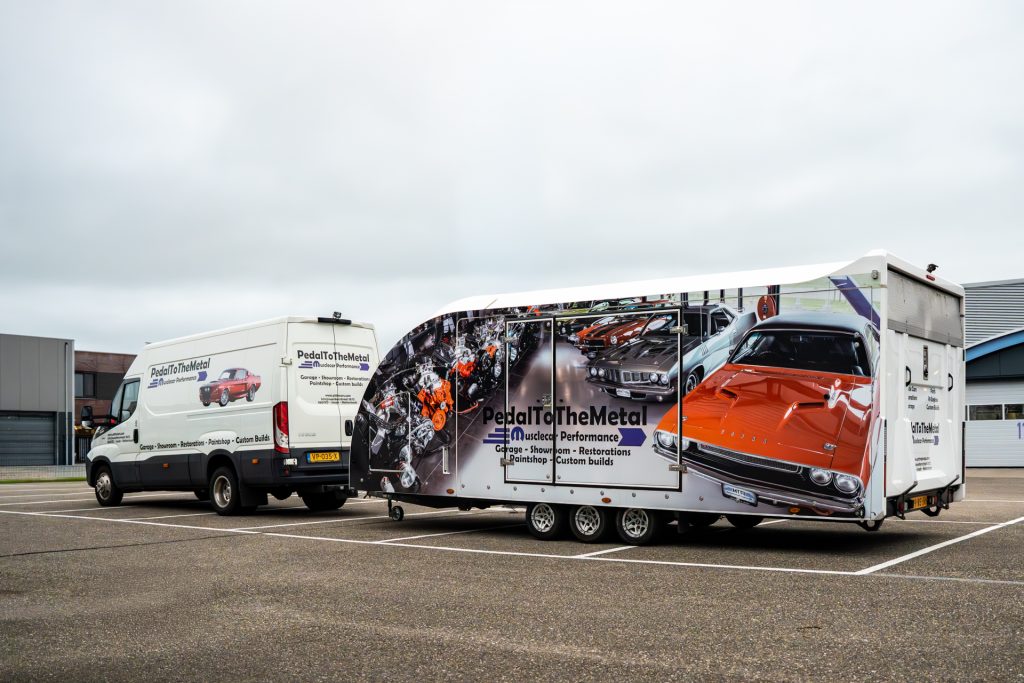
Yes. PTTM works with buyers across Europe and overseas and can coordinate transport to your country. Within Europe, cars travel by road with our own trailers or trusted partners. Intercontinental deliveries normally go by sea freight, and air freight is available on request. We confirm the transport method, insurance, costs and estimated timing for your destination before you commit. Import requirements vary by country, so share your destination when enquiring and we can explain the options.
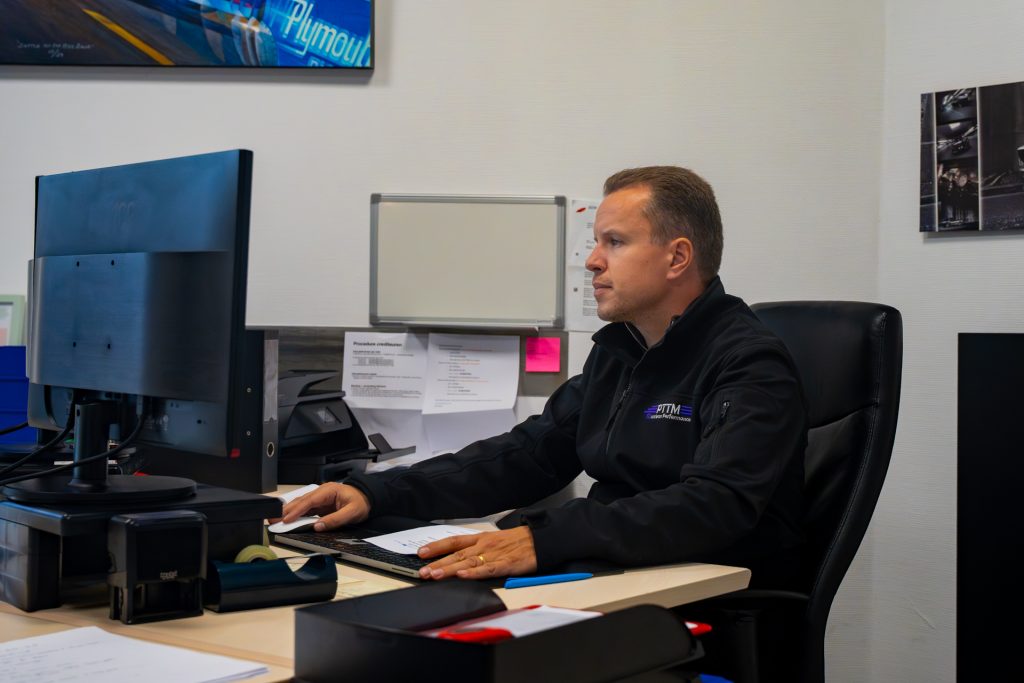
We’re happy to discuss your plans and advise on the right next steps. Whether you’re considering a purchase, planning a restoration or build, or exploring options for selling or registration.
