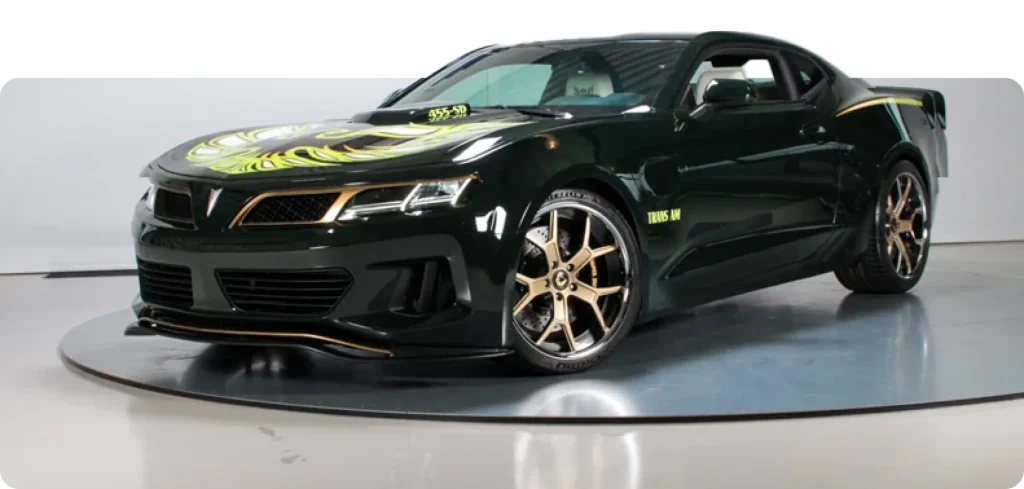

Engine & Drivetrain Upgrades
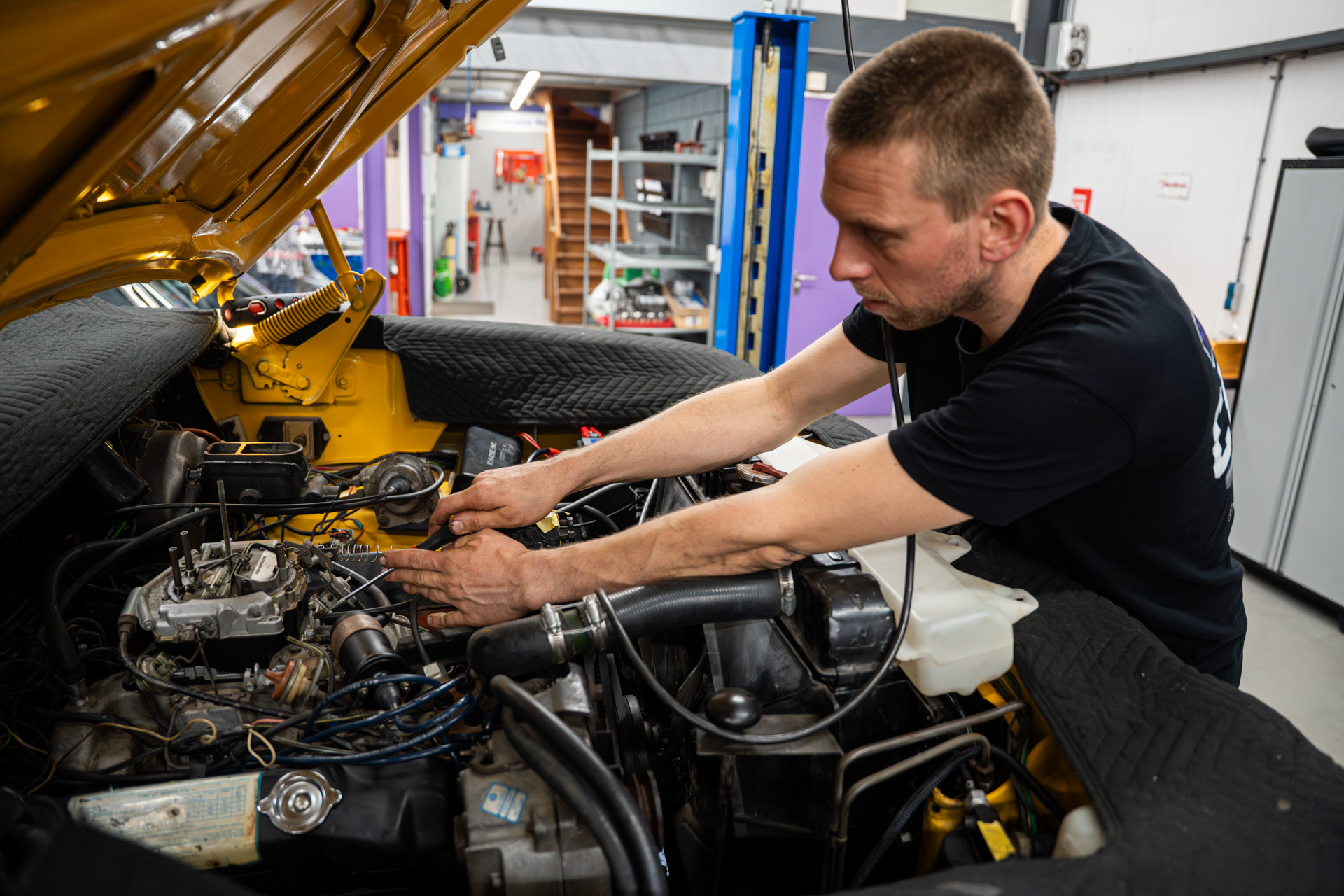
Mechanical Support for Classic American Cars
Classic muscle cars were impressive for their time, but a few well-chosen upgrades can make them more powerful, more efficient and far more pleasant to drive every day.
Engine Upgrades
- Sniper EFI conversion: replace the carburetor with modern electronic fuel injection for easy starting, smooth idle, better drivability and improved fuel economy, in any weather
- Intake manifolds: better airflow and power for your engine combination
- Headers: improved exhaust flow, performance and sound
- Aluminum heads: more power, less weight over the front axle and improved airflow
Drivetrain Upgrades
- Better gearing: gear ratios matched to your engine and your use of the car, whether that is quicker acceleration or more relaxed cruising
- Gear Vendors overdrive for automatic transmissions: adds overdrive gears for lower engine speeds, better fuel economy and comfortable highway driving
- Rear end gearing: different ratios for the character you want from the car
- Stronger axles and differential components: reliability and strength for cars with more power or sticky tires
A Balanced Approach
Upgrades work best as a system. More power puts more load on the transmission, rear end and axles, so we plan the whole drivetrain together, and we are honest about what your car really needs.
Pricing
The price of the work is assessed based on what your vehicle needs. We do not provide estimates of our labor costs, which are charged by the hour. We can only estimate the price of the parts.
Discuss an Upgrade
Tell us about your car and your goals, and we will advise on the right combination of upgrades.
Frequently Asked Questions (FAQ):
Classic American V8 engines were built to different tolerances and require different fluids, different service intervals, and different diagnostic approaches than modern vehicles. Most flat-tappet camshaft engines used in these cars require engine oil with adequate ZDDP content – a zinc and phosphorus additive package that modern low-viscosity oils formulated for roller-cam engines do not provide in sufficient quantities. Using the wrong oil accelerates camshaft wear significantly. Carburetor-fed fuel systems, points-based or early electronic ignition systems, and manual drum brake setups all require hands-on knowledge that a general workshop without specific experience in these cars will not have. Our team works on these vehicles every day.
As a general baseline, engine oil and filter should be changed every 3,000 to 5,000 kilometres regardless of how much the car has been driven, because oil sitting in a non-running engine accumulates moisture and degrades over time. A full mechanical inspection covering the cooling system, brakes, fuel system, ignition, belts, and hoses should be carried out at least once a year even on cars used sparingly. Classic cars that are stored over winter should be correctly prepared before storage and inspected before being returned to road use in spring.
Cooling system work is the most frequent – radiator repairs or replacements, thermostat replacements, water pump rebuilds, and hose replacements. Carburetor rebuilds and fuel system work follow closely. Brake system repairs including drum adjustments, caliper rebuilds, and brake line replacements are regular workshop work. Ignition system faults, from distributor wear to coil failures, are also common on cars that have not been regularly maintained. We also carry out electrical system diagnosis, which on cars with 50-year-old wiring requires patience and specific knowledge of period-correct electrical systems.
Yes. Drivability issues on classic cars – rough idle, hesitation under acceleration, overheating, fuel delivery problems – often require someone with specific knowledge of the platform and the era to diagnose correctly. Modern diagnostic equipment is largely irrelevant on these cars. Experience with how these systems behave and fail is what matters. Bring us the car and describe exactly what it is doing – the more detail you can give us about when the problem occurs and under what conditions, the more efficiently we can find it.
Yes. We work on both original-specification cars and cars that have been fitted with modern LS, LT, or Coyote V8 engines, upgraded fuel injection systems, or other modern mechanical components. Our workshop handles the full range from period-correct original drivetrains through to fully modernized pro-touring builds.
Yes. Please contact us before bringing your car in so we can assess the scope of work, allocate the right workshop time, and ensure the correct parts and equipment are available. Walk-in work is not something we accommodate. Contact us at sales@pttmcars.com or call +31 6 25 19 61 76 to book.
Depending on your location and the nature of the work required, we can discuss transport arrangements. Contact us with your location and a description of the car’s condition and we will advise on the most practical approach.
Pedal to the Metal workshop is based in Sneek, Netherlands. Contact us at sales@pttmcars.com or +31 6 25 19 61 76 to discuss your car’s maintenance or repair needs.
Get in Touch
We’re happy to discuss your plans and advise on the right next steps. Whether you’re considering a purchase, planning a restoration or build, or exploring options for selling or registration.