

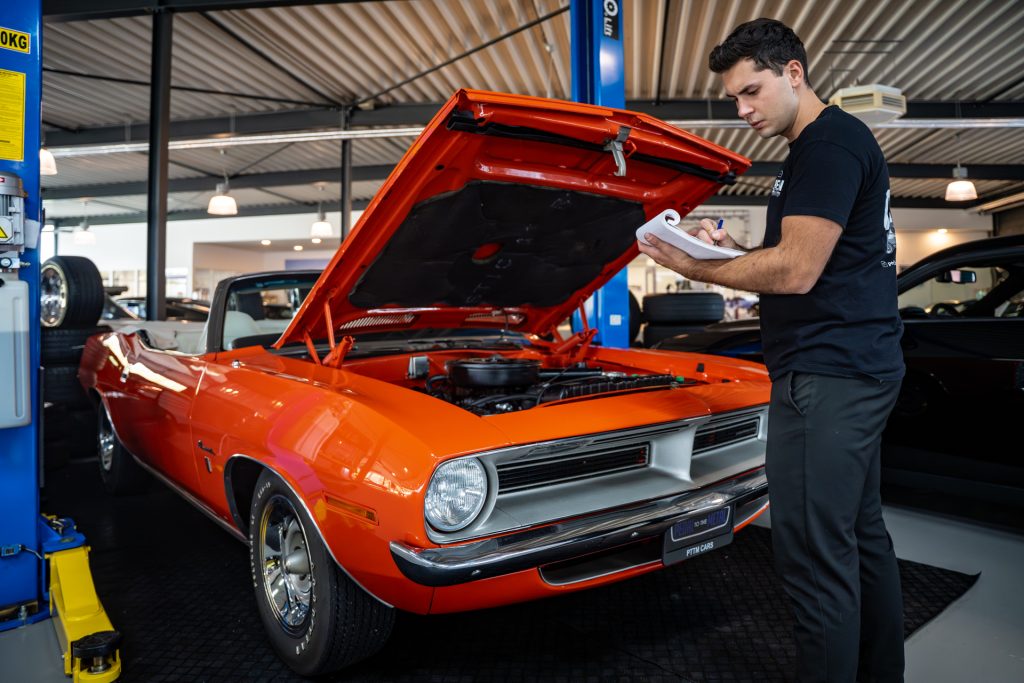
Appraisal Expertise
Trade-in & Valuation
Accurate valuations based on condition, authenticity and current market context. Whether trading in or selling, we provide a considered assessment to support informed decisions.
Discover Ford GTs for sale at Pedal to the Metal. The name covers three distinct cars. The 1964–1969 GT40, named for its 40-inch height, was built to win Le Mans and did so four years running from 1966, with around 100 made. The 2005–2006 Ford GT revived its shape with a supercharged 5.4-litre V8, 550 hp and a six-speed manual gearbox, and 4,038 were built. The 2017–2022 second generation uses a carbon-fibre monocoque, a 3.5-litre twin-turbo EcoBoost V6 and a seven-speed dual-clutch gearbox, and its racing version won its class at Le Mans in 2016.
If your ideal Ford isn’t in our current inventory, we can help you find it. PTTM sources high-quality classic and collector cars, with worldwide delivery available.
Choose by era and by how you plan to use the car. The GT40 is a 1960s endurance racer and a historic collector car first, whether a Mk I with the 289 or 302 V8, a 427-engined Mk II or Mk IV, or one of seven road-going Mk IIIs.
The 2005–2006 Ford GT combines GT40-inspired styling with a supercharged V8 and a manual gearbox, and suits buyers who want to drive on the road. The 2017–2022 GT is a carbon-fibre supercar built by Multimatic in Ontario, with a twin-turbo V6 and a dual-clutch gearbox, and was offered to buyers through an allocation process.
The GT40 Marks trace its development. Early Mk I cars were built by Ford Advanced Vehicles in Slough with a five-speed ZF gearbox. The Mk II brought the 427 and a four-speed Kar Kraft gearbox, the Mk III was the road car, and the Mk IV was built entirely in the United States. The 2006 Heritage edition wore Gulf-inspired colours. Second-generation editions include the Competition Series, several Heritage editions, the 2020 Liquid Carbon, the track-only Mk II and the Mk IV.
For a GT40, identity comes first, as replicas, kit cars and continuation cars are common. Period cars carry chassis numbers from GT/101 or GT40P/1000 onwards, and their histories should be documented. Continuation cars, such as the Safir Mk V, are a separate category. On a 2005–2006 GT, check recall work, including the early 2005 rear control arms and half-shaft bolts, the dry-sump pump belt service, tyre age on low-mileage cars and any accident repair. On any modern GT, full service records matter.
On restomod and pro-touring cars, judge the quality of the components and workmanship. PTTM can share the information available on a car and discuss any further inspection.
Generation, history and specification set the starting point. A period GT40 with documented racing history sits in a very different market from any replica or continuation car. On a 2005–2006 GT, the four factory options (McIntosh stereo, BBS forged wheels, painted stripes and painted brake calipers) add interest, as does the Heritage livery. Second-generation special editions carry their own premiums. Within any car, value reflects mileage, originality, documentation and condition.
Unrestored survivors, restored cars and professionally built restomods are each valued on different terms. Compare the whole car and its records alongside the price, and PTTM can help you define a realistic search.
Registration or title documents with a chassis number or VIN matching the car are the foundation. For a GT40, chassis records, period photographs and race history are central to its identity. For a modern Ford GT, the window sticker, service records, evidence of completed recalls and any original parts removed during modification add weight. Restoration invoices and photographs show what has been done since. Imported cars should carry their import papers, and PTTM’s Registration Service can guide European registration.
Yes, PTTM can assess your current car and discuss a trade-in towards a Ford purchase. Send us its make, model, year, mileage, photographs and available history, along with details of the car you are interested in. Trade-ins are not automatic: each proposal is considered individually, based on condition, documentation and market demand.
Possible structures include equal-value exchanges and trades with a cash adjustment on either side, agreed transparently in advance.
The GT40 ended Ferrari’s run of Le Mans wins in 1966 with a one-two-three finish, the Mk IV won in 1967, and chassis GT40P/1075 won in both 1968 and 1969. Fifty years after the first win, the modern GT took its class at Le Mans in 2016. Production adds to the appeal: 4,038 first-generation cars were built, and only 45 of the track-only second-generation Mk II. Individual cars stand out through originality, documentation, rare options and condition, and a well-sorted driver can be as rewarding as a concours restoration.
It depends on how you plan to use the car. A GT40 suits historic events, track days and shows rather than daily use. The 2005–2006 GT is a road car with a manual gearbox and no traction control, so it rewards an attentive driver. The 2017–2022 GT, with its dual-clutch gearbox, suits both road and track. An original, correctly maintained car suits buyers who value authenticity. PTTM also offers factory-correct restorations and custom restomod and pro-touring builds. Tell your sales advisor how and how often you plan to drive, so we can recommend suitable cars.
Yes. Our Personalized Car Search service can look beyond our current inventory. Tell us your preferred generation, edition, options, colour, mileage, condition and budget.
We identify suitable cars and help assess their condition, history and authenticity. Period GT40s, 2006 Heritage editions, 2005–2006 cars with all four options and second-generation special editions can take longer to find, and we will give you an honest expectation of timing. Search terms are agreed before we begin, and you are never obliged to proceed with a car we present.
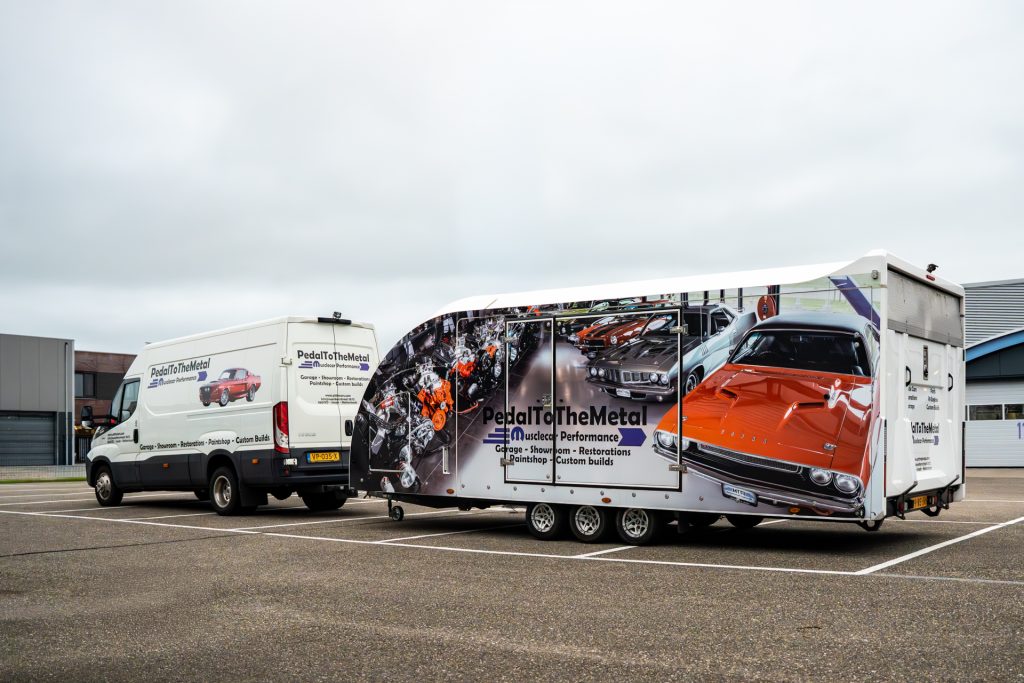
Yes. PTTM works with buyers across Europe and overseas and can coordinate transport to your country. Within Europe, cars travel by road with our own trailers or trusted partners. Intercontinental deliveries normally go by sea freight, and air freight is available on request. We confirm the transport method, insurance, costs and estimated timing for your destination before you commit. Import requirements vary by country, so share your destination when enquiring and we can explain the options.
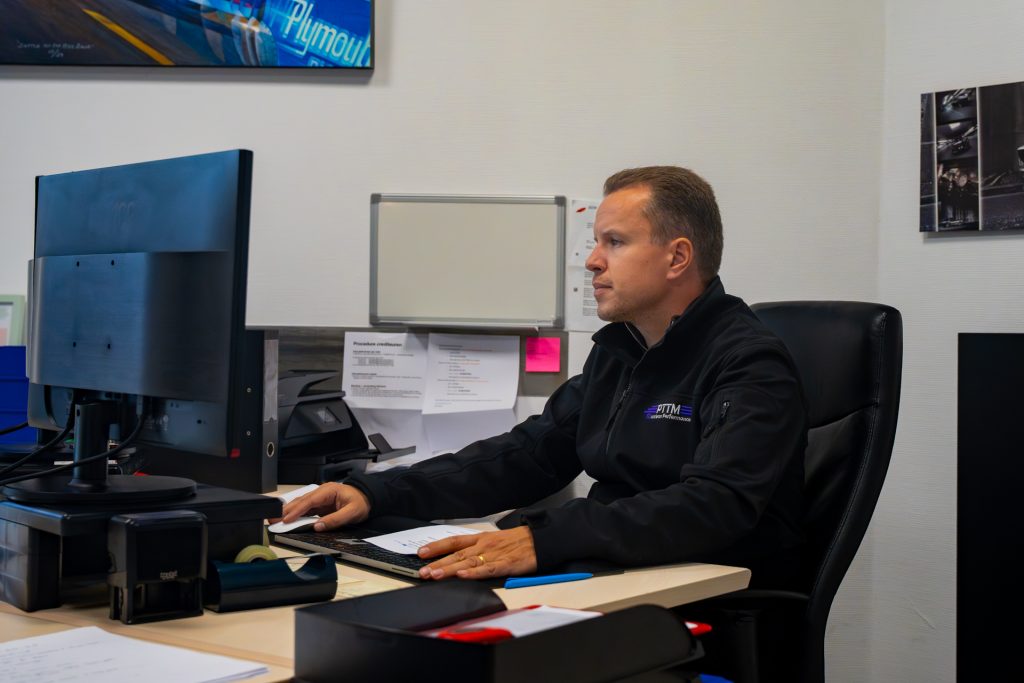
We’re happy to discuss your plans and advise on the right next steps. Whether you’re considering a purchase, planning a restoration or build, or exploring options for selling or registration.
