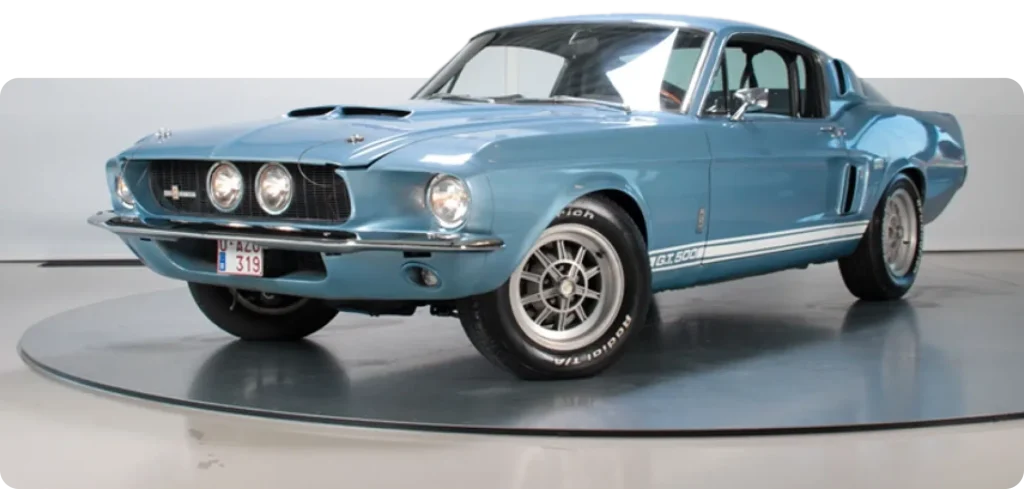

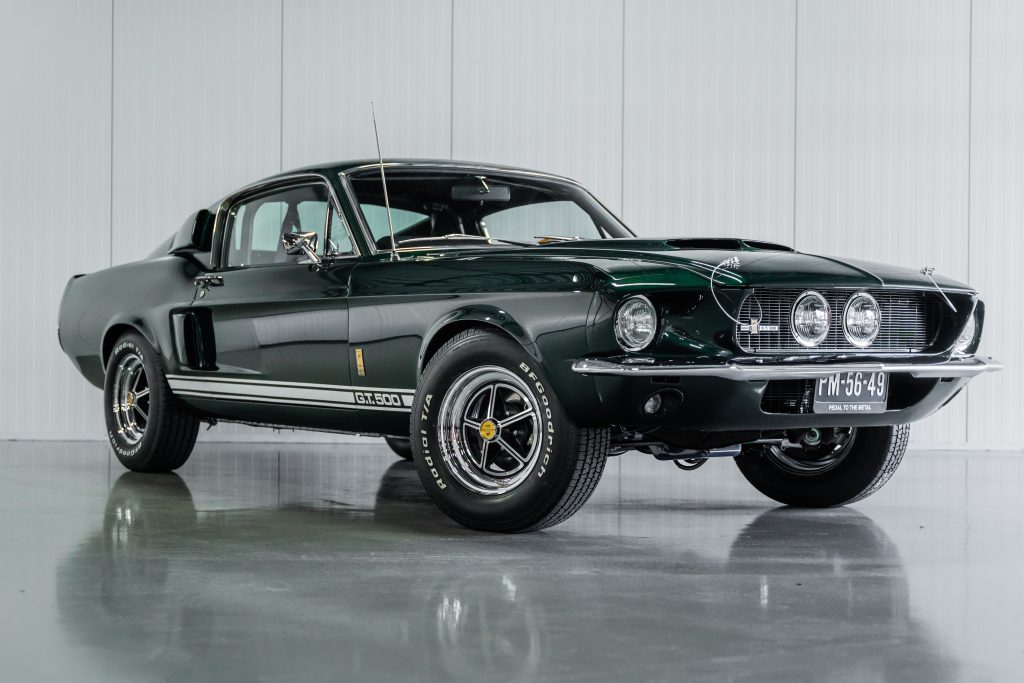
Restauraties
Jouw auto, op jouw manier. Of het nu gaat om klassieke muscle cars of moderne krachtpatsers, wij bouwen hem precies volgens uw visie: elk detail, elke bout. Van de eerste schets tot het moment dat u de sleutel omdraait, is hij helemaal van u.
Restauraties
Een van onze specialiteiten is het volledig in eigen beheer restaureren van hoogwaardige Amerikaanse muscle cars. Shelby, Ford, GM, Mopar, AMC – noem maar op, wij brengen de auto weer in zijn oorspronkelijke glorie terug met behoud van de authenticiteit. Dankzij meer dan 20 jaar ervaring wordt elke auto die wij restaureren volgens de hoogste normen gerestaureerd.
Custom Builds
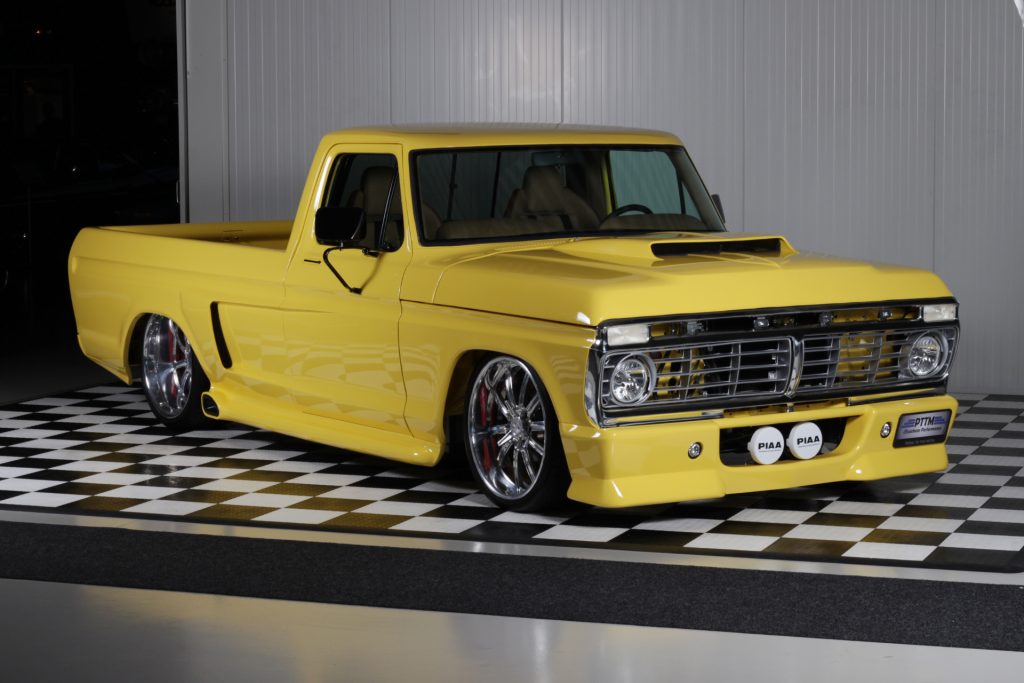
Jouw visie, ons ontwerp. Breng uw muscle car precies zo tot leven als u zich die voorstelt met Pedal To The Metal. Van restomods en motorwissels tot ultieme straatmachines met de nieuwste technologie en accessoires: wij Merk maken het mogelijk. Carrosserie, lak, aandrijving, interieur – u geeft de toon aan, en wij bouwen het precies zoals u het wilt.
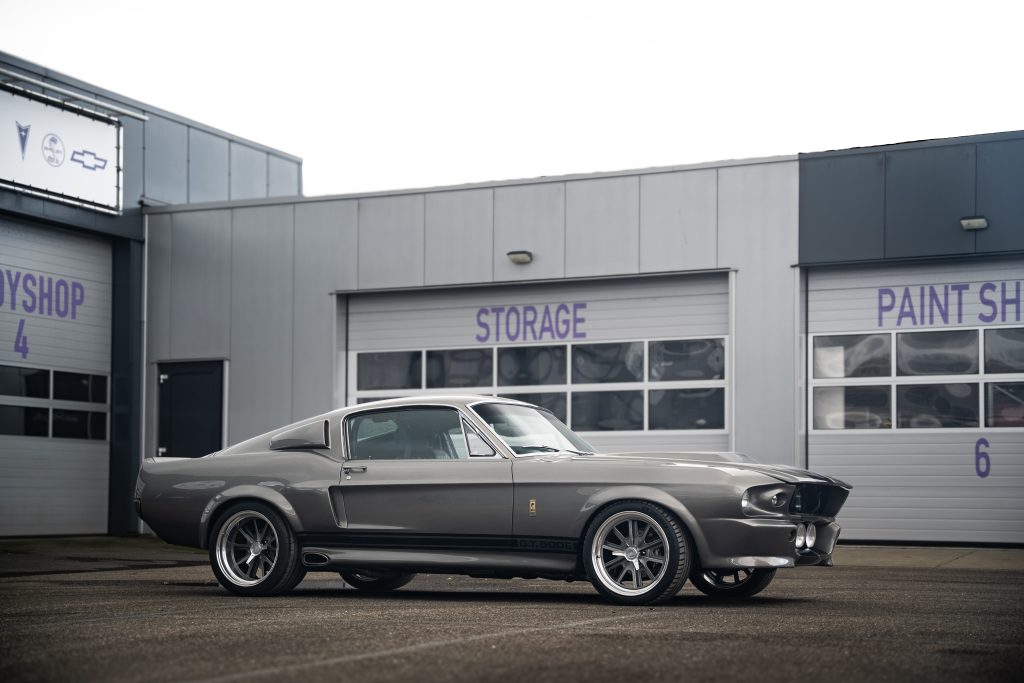
“Eleanor” in aanbouw
Geïnspireerd door de iconische auto uit Gone in 60 Seconds hebben we enkele van ’s werelds meest indrukwekkende Eleanors gebouwd. Of het nu gaat om replica’s die volledig overeenkomen met het filmmodel of om auto’s die volledig op maat zijn gemaakt volgens de exacte specificaties van de klant: wij bieden een breed scala aan mogelijkheden. Elke Eleanor wordt vervaardigd met de grootste passie, precisie en oog voor detail.
Veelgestelde Vragen (FAQ):
Een van de eerste vragen waarmee elke nieuwe koper van een klassieke muscle car wordt geconfronteerd, is niet welke auto hij moet kopen, maar wat voor soort auto hij moet kopen. Een gerestaureerd origineel exemplaar met bijpassende nummers, een restomod met selectieve moderne upgrades, of een volledige pro-touring-opbouw met hedendaagse mechanica onder een carrosserie die bij het tijdperk past – dit zijn fundamenteel verschillende ervaringen als eigenaar tegen fundamenteel verschillende prijzen, en het kiezen van de verkeerde optie voor uw situatie is een dure fout. Deze gids legt uit wat elke categorie inhoudt, wat deze kost, voor wie deze geschikt is en waar u op moet letten bij het beoordelen van een exemplaar op de markt.
Bij Pedal to the Metal verkopen we alle drie de typen en bouwen we de laatste twee in onze restauratiewerkplaats in Nederland. Deze verschillen komen in bijna elk gesprek dat we met kopers voeren ter sprake.
Een gerestaureerde auto met ‘numbers-matching’ is een auto waarbij de belangrijkste onderdelen van de aandrijflijn – met name het motorblok en de versnellingsbak – zijn voorzien van in de fabriek gestempelde codes die overeenkomen met de originele bouwdocumentatie van de auto. De auto is door middel van restauratiewerkzaamheden teruggebracht naar de fabrieksspecificaties, maar de kernidentiteit van het voertuig – dat wil zeggen de specifieke motor waarmee de auto de fabriek verliet – blijft intact. Voor serieuze verzamelaars en beleggers is ‘numbers-matching’ de norm die de hoogste waarden oplevert en de sterkste waardestijging op lange termijn garandeert. Een ‘numbers-matching’ Camaro Z/28 uit 1969 of een Hemi Cuda uit 1970 is een fundamenteel ander bezit dan een identiek ogende auto met een vervangende motor, en de markt waardeert ze dan ook dienovereenkomstig.
De prijzen variëren enorm, afhankelijk van het model, het bouwjaar en de uitrusting. Als algemene richtlijn voor de modellen waarmee Pedal to the Metal het vaakst werkt, kun je rekenen op een prijs tussen € 55.000 en € 85.000 ($ 60.000 tot $ 90.000) voor een goed gerestaureerde Mustang of Camaro hardtop van de eerste generatie in rijklare staat, met een gewilde small-block-motor. High-performance-varianten met gedocumenteerde matching numbers – een Z/28, een SS 454, een Challenger R/T met de 440 – beginnen doorgaans bij € 90.000 ($ 100.000) en lopen voor de beste exemplaren op tot ruim boven de € 180.000 ($ 200.000). Mopars met Hemi-motor en gedocumenteerde Shelby- of COPO-auto’s bevinden zich in een geheel andere prijsklasse, met waarden die beginnen boven de € 180.000 ($ 200.000) en oplopen tot in de miljoenen voor de zeldzaamste configuraties.
Bij een restomod – een afkorting van ‘restoration modification’ – blijven de originele carrosserie, het interieur en het uiterlijke karakter van een klassieke muscle car behouden, terwijl bepaalde mechanische systemen selectief worden gemoderniseerd om de betrouwbaarheid, veiligheid of rijeigenschappen te verbeteren. De aanpak is bewust evenwichtig: de auto ziet er authentiek uit en voelt ook zo aan, maar rijdt beter dan toen hij nieuw van de fabriek kwam. Typische restomod-upgrades zijn onder meer moderne radiaalbanden op periodecorrect of periodestijl velgen, schijfremmen in plaats van de originele trommelremmen, verbeterde ophangingsbussen, een betrouwbaarder ontstekingssysteem en een verbeterde koeling. De originele motor wordt meestal behouden en gereviseerd, vaak met lichte prestatieverbeteringen die binnen de geest van de fabrieksspecificaties blijven. Een goed uitgevoerde restomod is de keuze voor een koper die op zoek is naar authenticiteit en een emotionele band met de originele auto, maar er ook mee wil rijden zonder de zorgen die gepaard gaan met pure originaliteit.
Bij een pro-touring-opbouw wordt de originele carrosserie van een klassieke muscle car gebruikt, waarbij het mechanische pakket eronder volledig wordt vervangen door moderne onderdelen. De motor is doorgaans een hedendaagse GM LS- of LT V8, een Ford Coyote of een getunede big-block die aanzienlijk meer vermogen levert dan welke fabrieksoptie dan ook. De ophanging is een volledig moderne opstelling met schroefveren, verbeterde geometrie en een bijpassend remsysteem. Het interieur wordt vaak gemoderniseerd met hedendaagse instrumenten, geluidssystemen en klimaatregeling, terwijl het exterieur de voor die periode kenmerkende verhoudingen en styling behoudt, met bredere wielen en banden die de wielkasten goed vullen. Het resultaat is een auto die eruitziet als een klassieke muscle car, maar rijdt, remt en door bochten gaat als een moderne sportwagen. Pro-touring-uitvoeringen zijn vooral populair bij kopers die hun auto regelmatig willen gebruiken, lange afstanden willen afleggen en de visuele uitstraling van een Amerikaanse muscle car uit de jaren zestig of zeventig willen ervaren, zonder de mechanische compromissen die gepaard gaan met originele aandrijflijnen.
Het belangrijkste verschil zit hem in de mate van aanpassing en de filosofie die erachter schuilgaat. Bij een restomod worden selectief upgrades aangebracht, waarbij het oorspronkelijke karakter van de auto – inclusief de motor – behouden blijft. Bij een pro-touring-opbouw wordt vanuit de carrosserie naar buiten toe gewerkt en wordt het mechanische pakket volledig vervangen. Een restomod-eigenaar wil doorgaans iets dat dicht bij het origineel blijft, maar dat gewoon betrouwbaarder en veiliger is om in te rijden. Een koper van een pro-touring-auto wil de uitstraling van het klassieke tijdperk gecombineerd met de prestaties en bruikbaarheid van een moderne auto. Er is geen verkeerde keuze tussen deze twee – ze zijn geschikt voor verschillende kopers met verschillende prioriteiten – maar het is belangrijk om te weten welke van de twee je koopt wanneer je een auto beoordeelt, aangezien de twee termen soms door elkaar worden gebruikt in de marketing.
Gerestaureerde originele exemplaren met overeenkomende nummers hebben de sterkste staat van dienst wat betreft waardestijging op de lange termijn, met name in het topsegment van de markt waar documentatie en herkomst verifieerbaar zijn. De zeldzaamste varianten – Hemi-auto’s, COPO-auto’s, gedocumenteerde Shelby’s – hebben de afgelopen twee decennia beter gepresteerd dan bredere beleggingscategorieën en vertonen geen tekenen van afzwakking. Voor de bredere verzamelmarkt zijn ook goed gedocumenteerde restomod- en pro-touring-modellen op gewilde platforms in waarde gestegen, zij het in bescheidener mate. De belangrijkste factor is kwaliteit. Een slecht uitgevoerde pro-touring-opbouw op een middelmatige basisauto is geen investering. Een professioneel gebouwde pro-touring Mustang fastback of Camaro op een kwalitatief hoogwaardige basisauto, met gedocumenteerde herkomst en aankoopbewijzen, behoudt zijn waarde goed en trekt wereldwijd een consistente groep kopers aan. Bij Pedal to the Metal documenteren we elke opbouw die we produceren grondig, wat de waarde van de auto op lange termijn voor de koper beschermt.
Dat kan wel, maar de meeste serieuze verzamelaars kiezen ervoor om dat niet te doen. De originele aandrijflijnen van deze auto’s zijn gebouwd volgens de technische normen uit de jaren zestig, wat betekent dat veel modellen trommelremmen hebben, carburateurs die onderhoud vergen en rubberen onderdelen die zijn verouderd, ongeacht hoe goed de auto is gestald. Wat nog belangrijker is: elk mechanisch incident – oververhitting, een ongeval, een motorstoring – dat ertoe leidt dat een onderdeel moet worden vervangen, brengt de ‘numbers-matching’-status in gevaar en vermindert de waarde van de auto aanzienlijk. De meeste kopers die originaliteit en beleggingswaarde vooropstellen, rijden spaarzaam en voorzichtig met hun gerestaureerde auto’s en reserveren het dagelijks gebruik of toertochten voor een restomod of pro-touring-auto.
Een pro-touring-uitvoering is van de drie de meest geschikte auto voor dagelijks gebruik. Dankzij de moderne ophanging, de geavanceerde remmen, een motor met brandstofinjectie die onder alle weersomstandigheden betrouwbaar start, en een airconditioning die echt werkt, is Merk een pro-touring-auto echt comfortabel voor lange afstanden. Een goed gebouwde restomod volgt op de voet voor bestuurders die op zoek zijn naar iets dat dichter bij de originele auto staat. De originele auto met bijpassende nummers is het minst praktisch voor dagelijks gebruik, hoewel veel eigenaren er wel mee rijden en ervan genieten – de ervaring van het besturen van een authentieke, originele muscle car is iets dat geen enkele moderne replica volledig kan evenaren.
Een professioneel gebouwde pro-touring muscle car is verkrijgbaar vanaf € 200.000 ($ 220.000). De uiteindelijke prijs hangt af van de basisauto, het motorpakket, de mate van afwerking van het interieur en de specificaties van het chassis en de remupgrades. Bij Pedal to the Metal bouwen we pro-touring-auto’s volgens de specificaties van de klant vanuit onze vestiging in Sneek, Nederland. Neem contact met ons op via sales@pttmcars.com of matei@pttmcars.com om te bespreken wat u in gedachten heeft.
Ja. Onze restauratiewerkplaats voert zowel restomod- als pro-touring-projecten van begin tot eind uit. Wij kunnen de juiste basisauto voor uw gewenste platform vinden en deze precies volgens uw specificaties opbouwen, of het nu gaat om een subtiele restomod waarbij de originele motor en het karakter behouden blijven, maar met verbeterde betrouwbaarheid en veiligheid, of om een volledige pro-touring-opbouw met een moderne aandrijflijn en chassis. Wij betrekken onze klanten bij het hele proces en documenteren elke fase van de opbouw, waardoor de herkomst en waarde van de voltooide auto gewaarborgd blijven. Neem contact met ons op via sales@pttmcars.com of matei@pttmcars.com of bel +31 6 25 19 61 76 om een gesprek te beginnen.
Neem contact op
We bespreken graag uw plannen met u en adviseren u over de juiste volgende stappen. Of u nu een aankoop overweegt, een restauratie of nieuwbouw plant, of de mogelijkheden voor verkoop of registratie onderzoekt.