
As you may or may not know, PTTM Cars is based in the Netherlands. We love our country, but our country does not always seem to love car enthusiasts that much.
You feel that most when you look at the taxes on cars and fuel. Especially when you compare the price of a car in its home market with the price of that same car once it has landed, been imported, registered and put on the road in the Netherlands.
Recently, we came across a few examples of foreign cars with both their domestic price and their Dutch price shown side by side. In some cases, the taxes and added costs were not just painful. They were almost unbelievable. Sometimes the tax burden can feel bigger than the car itself.
So yes, American cars are usually more expensive in Europe than they are in the United States. That part is obvious.
But the better question is this:
Are American cars expensive in Europe compared with what you actually get?
The answer is more interesting than a simple yes or no. In fact, let us surprise you.
The short answer
American cars can be expensive in Europe, especially when they are new, freshly imported, high in CO₂ emissions or not yet registered in the country where you want to drive them.
But American cars can also be surprisingly good value in Europe. Especially when you compare them with European performance cars offering similar power, presence and emotion.
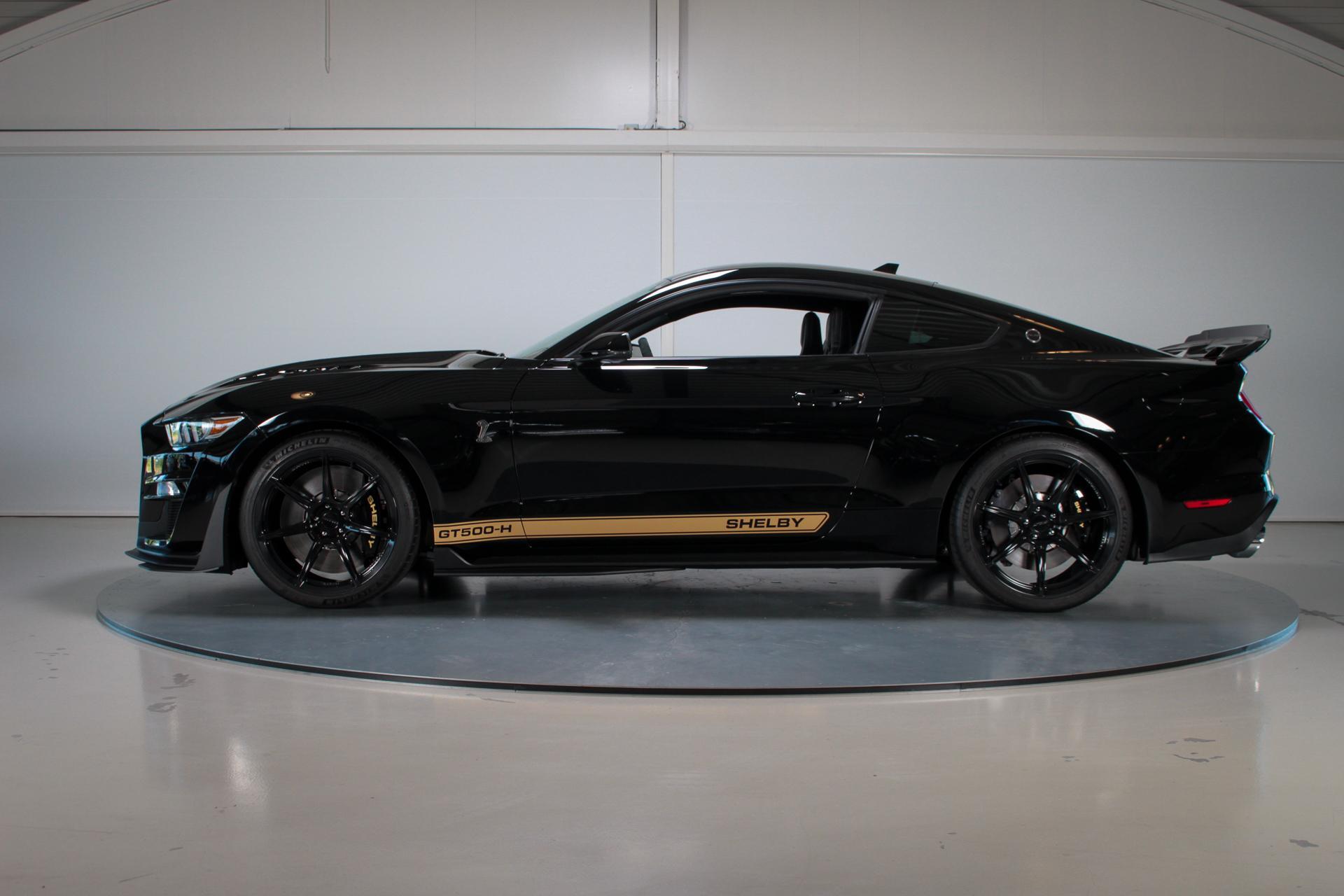
A Dodge Challenger, Ford Mustang, Chevrolet Camaro, Chevrolet Corvette, Cadillac Escalade, RAM 1500 or classic American muscle car may not be cheap to run. But in terms of character, engine size, road presence and horsepower per euro, American cars can be hard to beat.
That is the strange reality of owning American cars in Europe:
They are expensive in the wrong places, but often great value in the right places.
Why American cars are more expensive in Europe
When people compare American and European car prices, they often make one mistake. They look at the American sticker price and compare it directly with the Dutch or European asking price.
That does not tell the whole story.
The price of an American car in the United States is not the same as the price of that car, ready to drive, with European registration, European paperwork and all taxes paid.
Before an American car reaches a European customer, several costs can be added.
Shipping and transport
First, the car has to get here. That means transport within the United States, export handling, shipping across the ocean, insurance, port handling and transport from the European port to the dealer, workshop or inspection location.
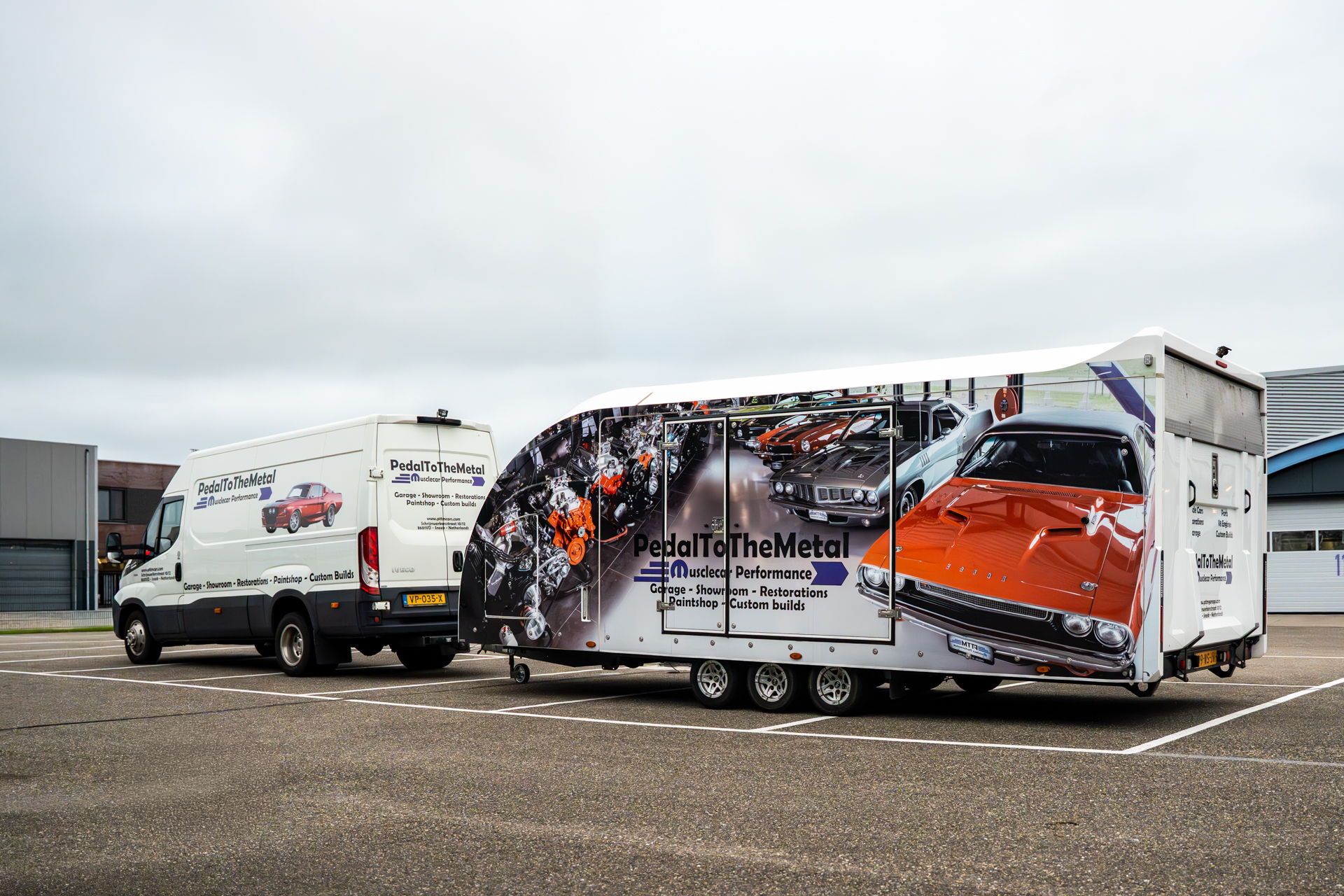
That alone can add a serious amount to the final price, especially on larger vehicles such as pickups, SUVs and classic cars that require careful handling.
Import duty and VAT
When a car is imported from outside the European Union, import duty and VAT may apply. For regular vehicles, this can add a significant amount before the car has even turned a wheel on European roads.
In the Netherlands, the general VAT rate is 21%. On top of that, import duty is often part of the calculation when the car comes from outside the EU. Classic cars are exempt of import duty in the Netherlands.
This is one reason why a car that looks like a bargain in the United States can become much less of a bargain once it arrives in Europe.
BPM in the Netherlands
For Dutch buyers, BPM is often the biggest shock.
BPM is the Dutch private motor vehicle and motorcycle tax. In simple terms, it is a tax you pay when a passenger car is first registered in the Netherlands. For modern passenger cars, it is strongly connected to CO₂ emissions.
That is where many American cars get punished.
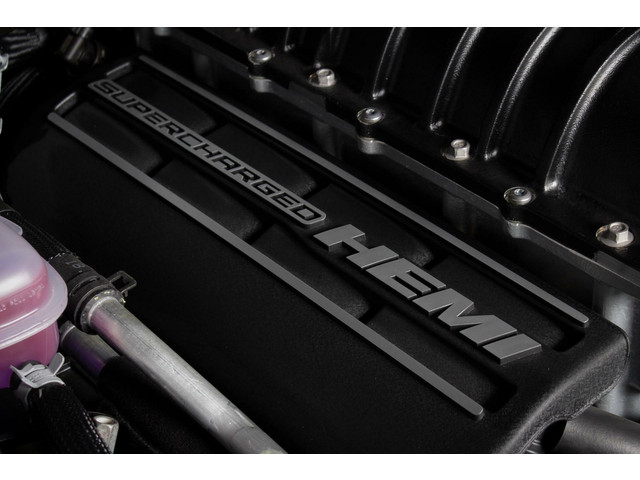
A big V8, a supercharged engine, a large SUV or a heavy pickup may be exactly what makes the car exciting, but it can also make the tax calculation painful. The same engine that gives the car its soul can make the Dutch paperwork a lot more expensive.
Inspection, registration and modifications
An American car is not always ready for European registration straight away. Depending on the car, age, origin and paperwork, it may need inspection, approval, lighting adjustments, technical documents or other modifications before it can be registered.
This is especially relevant for cars imported directly from the United States. Some cars are straightforward. Others require more work, more patience and more knowledge.
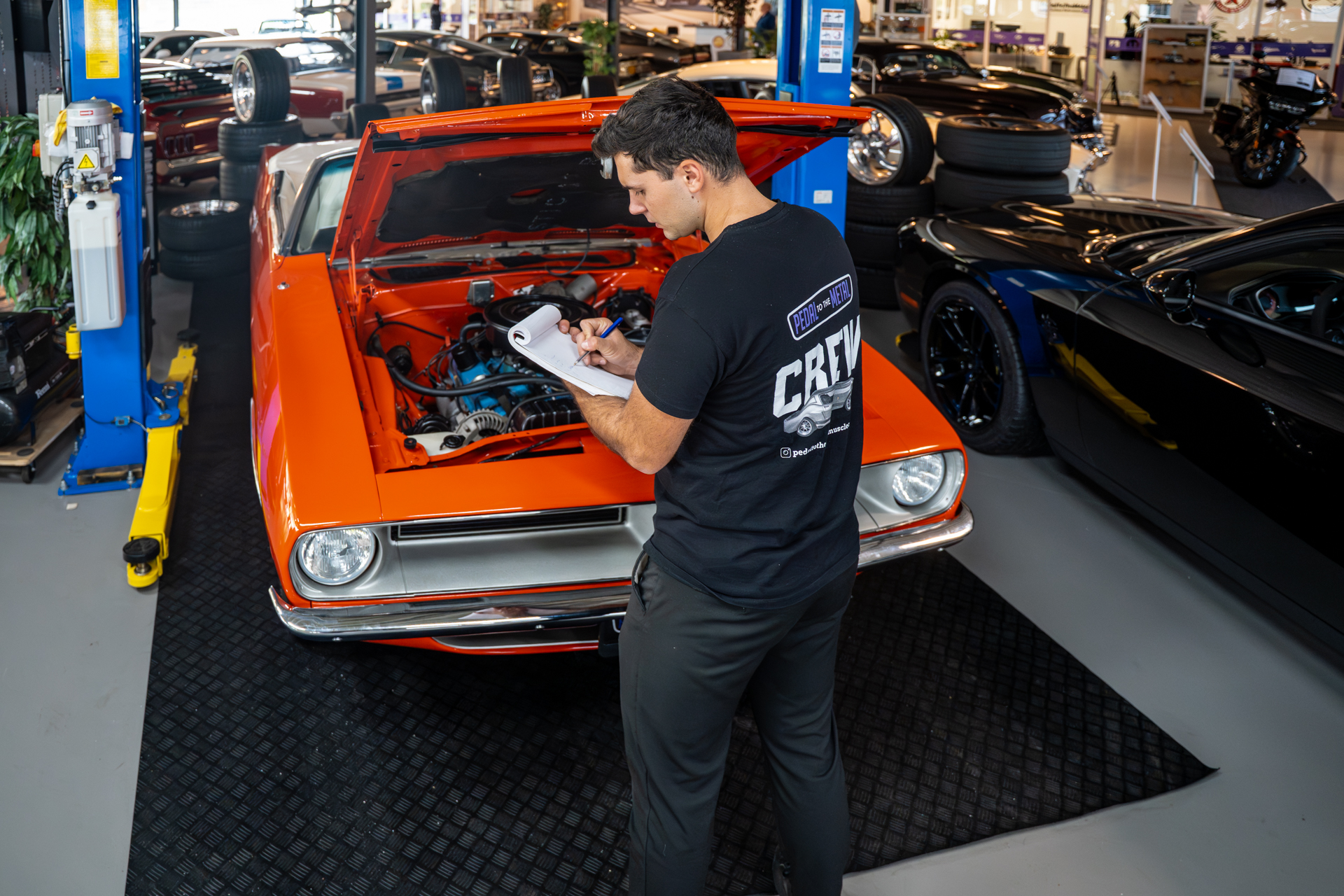 That is also why buying a car that is already registered in Europe can be attractive. The difficult part has often already been done.
Fuel costs
We do not have to pretend otherwise: fuel is expensive in Europe.
And American cars are not famous for being shy at the pump.
An 800 HP Pontiac Firebird or a Dodge Coronet with a 440 Magnum V8 will never have the efficiency of a small European diesel or hybrid. That is not the point of these cars.
You buy an American car for sound, torque, presence and emotion. Not because you want to win a fuel economy contest.
Road tax and ownership costs
Depending on the country, weight, fuel type, emissions and age, road tax can also be a factor. In the Netherlands, heavy vehicles and high-emission cars can be costly to own.
That does not mean you should avoid them. It simply means you should know the full picture before you buy.
The purchase price is only one part of the story. The real cost is the car, plus import, registration, tax, maintenance, insurance, fuel and long-term ownership.
Why American cars can still be good value in Europe
After reading all of that, you may think American cars are always expensive in Europe.
But that is not true.
In many cases, American cars offer something European cars struggle to match at the same price point.
Power for the money
American performance cars are famous for offering a lot of engine for the money.
Take a Mustang GT, Camaro SS, Corvette or Challenger. You are often looking at a naturally aspirated V8, rear-wheel drive, a strong gearbox, muscular styling and real road presence.
Now compare that with a European performance car with similar power. Think BMW M, Mercedes-AMG, Audi RS or Porsche.
The European car may have a more refined interior, sharper handling or more advanced technology. But the American car often gives you more theatre, more sound and more emotion for less money.
That is where American cars start to make a lot of sense.
They feel special
In the United States, a Mustang or Challenger may be a familiar sight. In Europe, it is different.
Here, American cars still stand out.
A widebody Challenger at a Dutch gas station gets attention. A classic Mustang on a sunday morning drive makes people smile. A Corvette in a small European village looks like it came from another world.
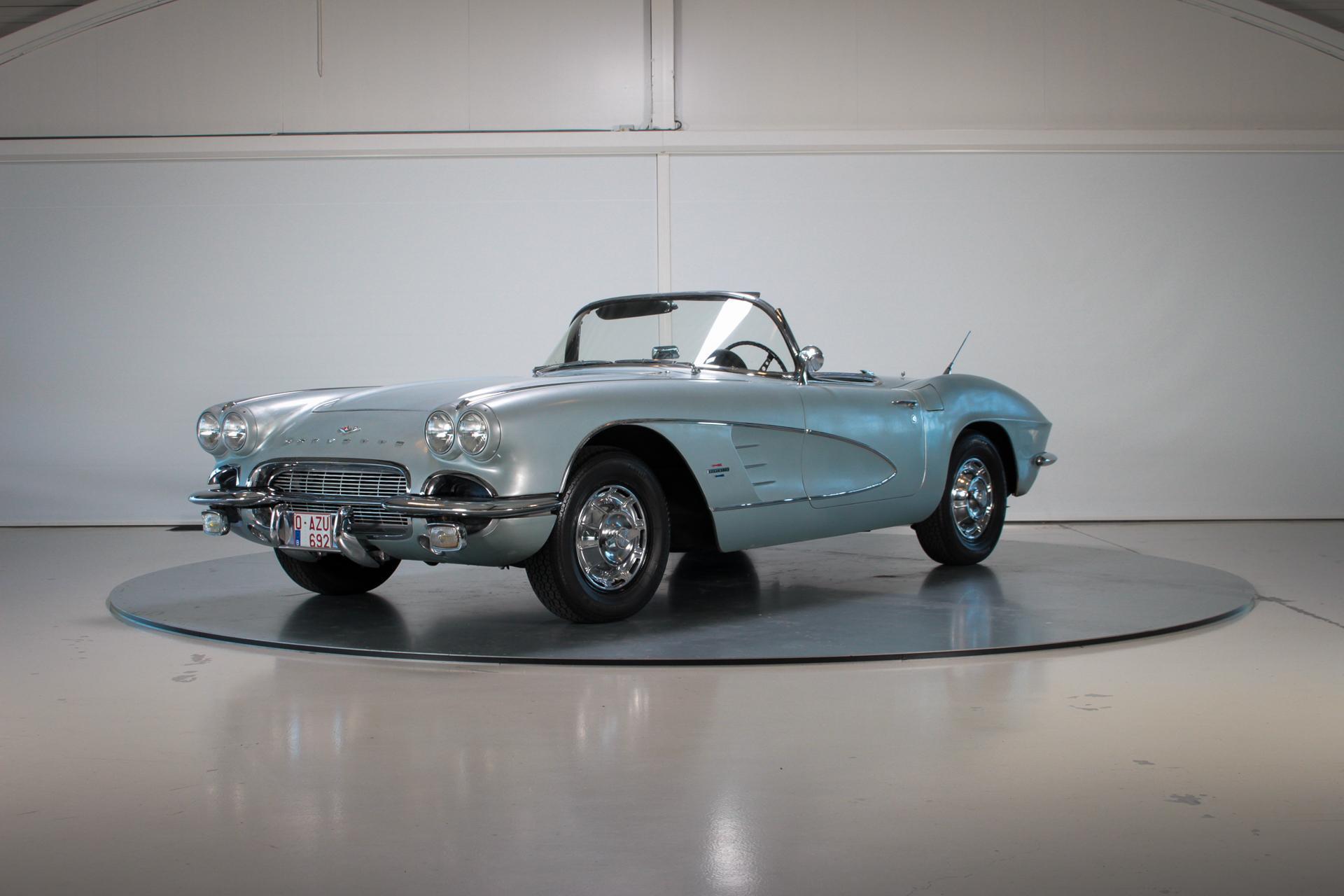 That presence has value.
Many modern European cars are fast, but they can also look quite similar. American cars still have drama. They have shape, sound and attitude.
Used American cars can be interesting
The biggest hit often happens when an American car is new or freshly imported. But once the car is already in Europe, already registered and already has its taxes paid, the story changes.
A used American car with European registration can be much more attractive than importing one yourself from scratch.
That is especially true if the car has:
- clear ownership history
- known mileage
- proper European registration
- taxes already paid
- good maintenance records
- no hidden damage history
- the right specification
In those cases, you are not just buying the car. You are also buying convenience, certainty and a lot less paperwork.
Classic American cars are a different story
Classic American cars deserve their own category.
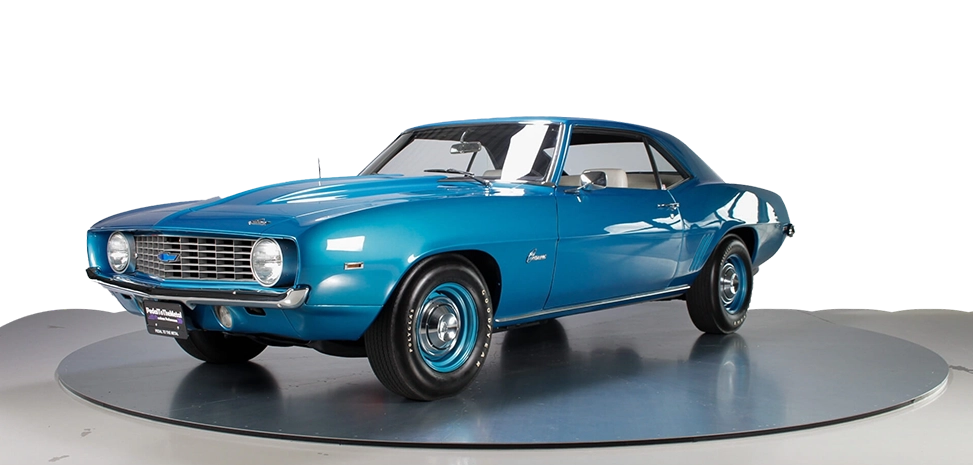
A 1960s Mustang, Camaro, Charger, Corvette, Impala or Cadillac is not judged in the same way as a new daily driver. These cars are bought for passion, style, history and experience.
With classics, the value is often more connected to condition, originality, restoration quality, engine, documentation and desirability than to simple age or mileage.
 Some classic American cars have become expensive everywhere. But compared with certain European classics, American classics can still offer a lot of metal, engine and character for the money.
And in the Netherlands, very old vehicles can also become more attractive from an ownership-cost perspective, especially when they qualify for classic vehicle rules.
New American cars in Europe: usually expensive
If you want a brand-new American car in Europe, be prepared.
A new American performance car or truck often becomes expensive because all major costs are still ahead of you. The car may need to be imported, taxed, inspected, adapted and registered. If it has a large petrol engine and high CO₂ emissions, the Dutch BPM can be serious.
This is why a car that looks relatively affordable in the United States can become a very different proposition in the Netherlands.
For example, a big V8 may be a normal engine choice in America. In the Netherlands, it can be treated like a luxury object, environmental problem and guilty pleasure all at the same time.
That is not always fair, but it is the reality.
Used American cars in Europe: often the sweet spot
For many buyers, the sweet spot is not a brand-new import. It is a good used American car that is already in Europe.
This can model that has already gone through the import and registration process.
The advantage is simple:
You can focus more on the car itself and less on the paperwork.
You still need to check the condition, history, maintenance and registration carefully. But a properly imported and registered car removes a lot of uncertainty.
For buyers who want to drive and enjoy the car rather than manage an import project, this is often the most sensible route.
Classic American cars: expensive, cheap or both?
Classic American cars can be both expensive and surprisingly affordable. It depends completely on the model.
A rare Hemi Mopar, Shelby Mustang, split-window Corvette or numbers-matching big-block car can be very expensive. Those cars are collector pieces.
But there are also many American classics that still offer good value compared with European classics. A well-built Shelby Mustang GT500, Chevrolet Apache, Pontiac Firebird, C1 Corvette or full-size cruiser can deliver a huge amount of character without entering Porsche, Ferrari or Mercedes SL money.
The danger with classics is not always the purchase price. It is buying the wrong car.
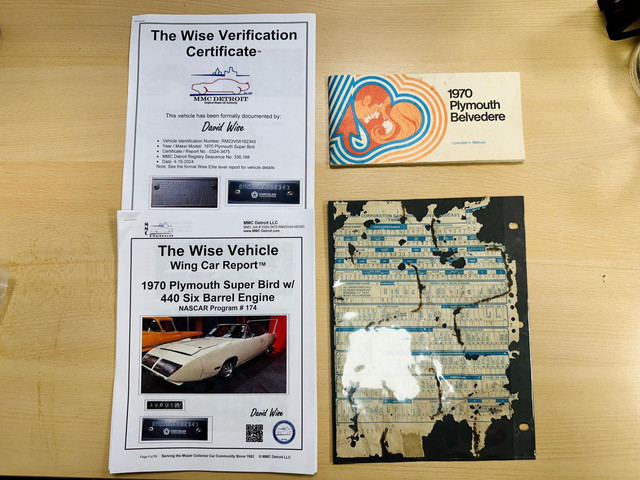
A cheap classic with rust, poor wiring, bad bodywork, missing parts or a questionable restoration can quickly become more expensive than buying a better car in the first place.
With classic American cars, condition is everything.
Are parts expensive?
This depends on the car.
One of the advantages of many American cars is that parts availability can be surprisingly good. For Mustangs, Camaros, Corvettes, Mopars, pickups and many popular classics, the American aftermarket is huge.
The parts themselves are not always the problem. The cost often comes from shipping, import costs, waiting time and labour.
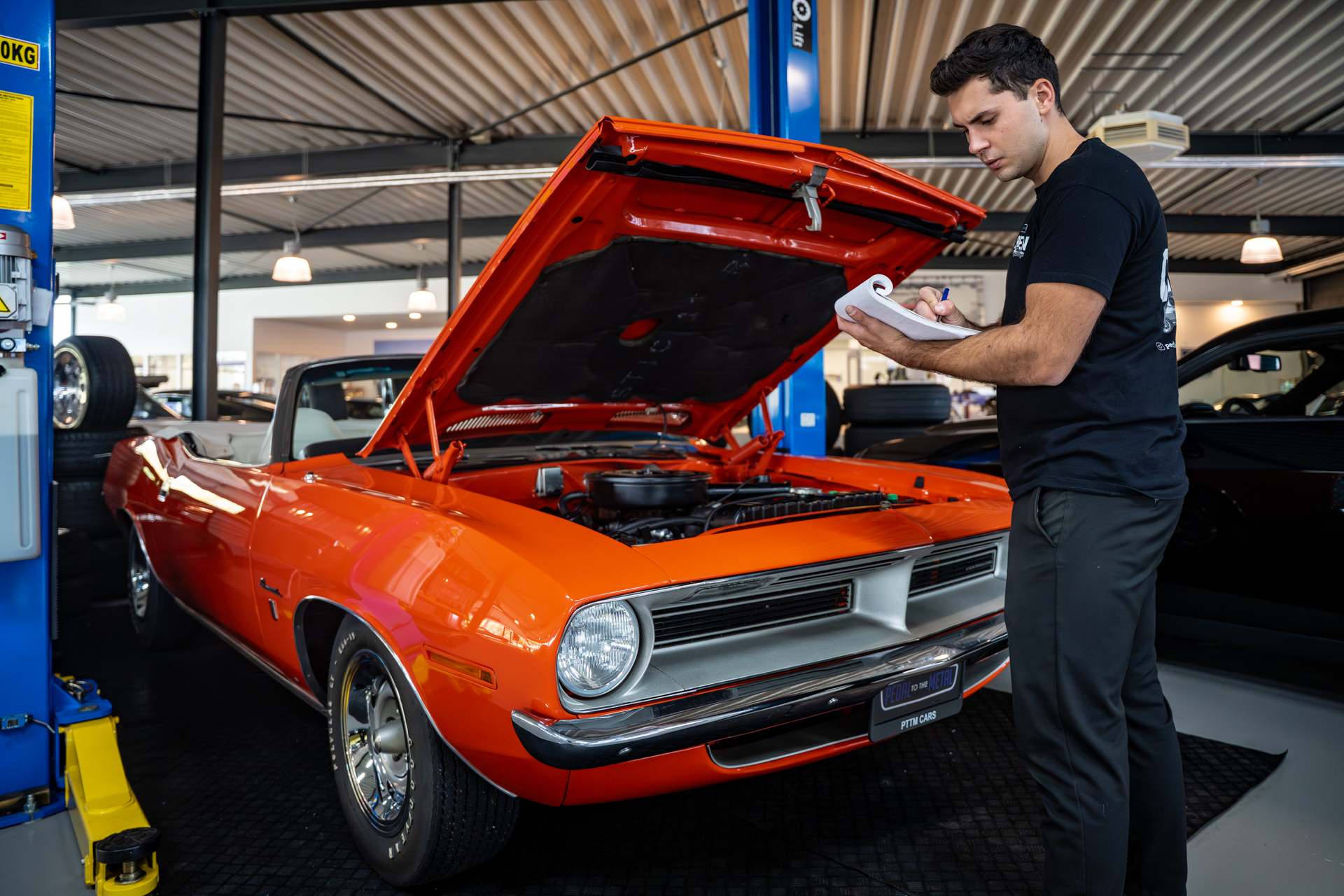
That is why it helps to work with people who know these cars. A European workshop that treats an American V8 like a strange alien machine can make ownership more difficult than it needs to be.
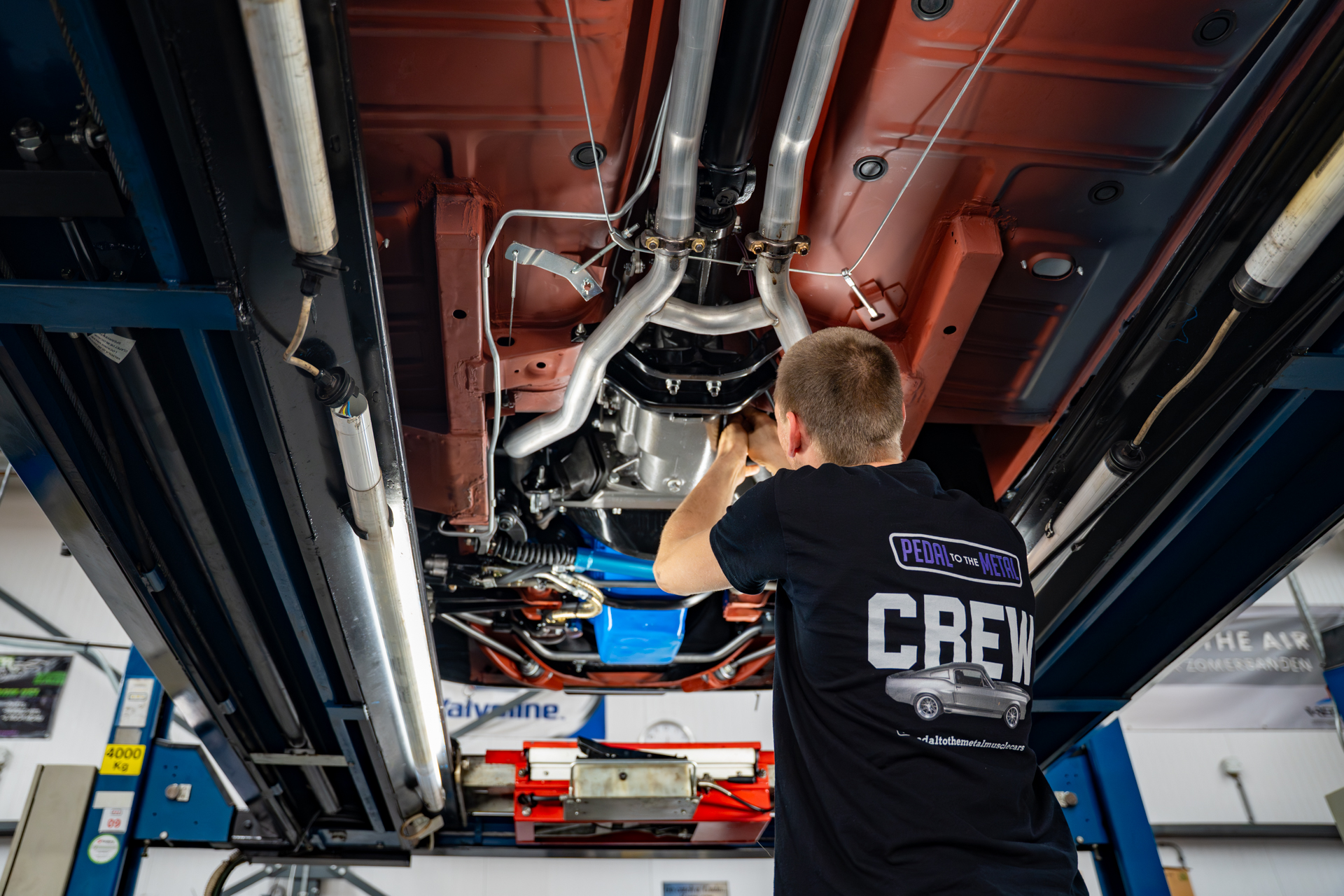 American cars are usually not complicated in the same way some European performance cars are complicated. But they do need the right knowledge, the right parts and the right approach.
Are American cars expensive to maintain?
Again, it depends.
A modern Hellcat, Z06 Corvette or high-performance truck can be expensive if you use it hard, ignore maintenance or need rare parts quickly.
But many American cars are also mechanically strong, relatively simple and supported by a large parts market. A naturally aspirated V8 can be less intimidating than a highly complex European turbocharged engine packed into a tight engine bay.
The key is buying the right example.
A well-maintained American car with known history is usually much less scary than a neglected one with shiny paint and hidden problems.
American cars versus European performance cars
This is where the discussion becomes interesting.
European performance cars are often praised for precision, interior quality and handling. And in many cases, that praise is deserved.
But American cars win in other areas.
They offer a different kind of experience. Bigger engines. More noise. More drama. More visual impact. More sense of occasion.
A European performance car may be faster through a technical corner. But an American muscle car can make a simple drive to the gas station feel like an event.
That emotional value is difficult to measure, but it is exactly why people love these cars.
So, are American cars expensive in Europe?
Yes, they can be.
They are expensive when you look at import costs, fuel prices, road tax, BPM, registration and the reality of owning a large-engine car in a heavily taxed European country.
But they are not always expensive when you look at what you get back.
You get presence. You get sound. You get performance. You get personality. You get something that does not feel like every other car on the road.
In many cases, an American car in Europe is not the cheapest choice. But it can be one of the most rewarding choices.
Our advice
If you are looking for an American car in Europe, do not only compare the price with the American market. That comparison will almost always hurt.
Instead, compare the complete package.
 Look at the landed cost, registration status, taxes, technical condition, history, rarity, driving experience and long-term value.
A cheap car in the United States can become an expensive car in Europe. But a good American car already in Europe can be a very smart buy.
Looking for an American car in Europe?
At PTTM Cars, American cars are what we do. From modern muscle cars and V8 performance cars to classics, custom builds, restorations and special imports.
We can help you understand what makes sense and what does not.
Because with American cars in Europe, the cheapest car is not always the best car.
The right car is the one that is properly selected, properly checked and properly prepared.